Useless Things
This post landed in my feed over the weekend, Direction Over Speed. It’s interesting to watch these types of insights slowly flow up the leadership ladder. I think it’s correct that the hard part is the discernment or judgment of the Product Manager.
The speed of Engineering may have shifted, but the costs are likely going to come back up - so there’s still a distinct need to focus on building the right thing. Like many of the comments point out, it’s the skill, not the role, that needs to evolve and lead. The best PM/POs I’ve worked with are truly shapeshifters; it’s their ability to operate in varied modes based on the needs of the business, team, or strategic objectives that is their core value. I believe that kind of adaptable vision is still crucial.
However, over the last few days something tangential has been percolating for me. I’m certainly late to the party on this, but one of the opportunities I’m most excited about being unlocked is the potential to build things that very few people use. Slightly antithetical to the above stance that we need PMs deciding what to build, I’ve been enjoying the idea that I can now build, and probably maintain, experiences that will make no money and also cost me very little time and capital.
I have nothing against most of the next-trillion-dollar ideas, but it’s more exciting to me that I can build something explicitly un-marketable that brings joy to those who want to use it. Assuming I eventually find a new job to support my habits, I can take a few hours on a Saturday to create a simple web experience that lets users post a picture of their favorite toy from when they were a kid - FavoMemToy™.
For the price of a domain name, and a few dollars a year in hosting fees, I can create it and see if there’s anyone who wants to use it. I don’t have to worry about monetizing the experience: no ads, no trackers, no analytics, no gamification, no engagement goals. If someone uses it - cool, if no one uses it - cool. Over time the costs will go up to create these one-off twee experiences, but for now, it seems like a fascinating opportunity.
This led me to a question. If I’m building something, and it does get a few users, how would I determine what features to add? How would I test them and figure out if they benefit users? Setting aside the risk of adding analytics to one of these experiences, how would I think about feature value without goals like AOV, scroll depth, or bounce rates? If the goal isn’t to drive revenue, member growth, or visit frequency, what could I measure to figure out if the user enjoyed a feature?
CTR or hover might be a proxy for user value. If a user interacts with a feature, it might be because they find it useful, or it might just be because they want to get around it. If my goal for the experience I’m building is just to make someone smile, it’s going to be difficult for me to know if adding a Like button to the FavoMemToy™ experience is a good thing. A user could click it out of habit, but not really find it useful. I don’t have a clear signal, or even a great proxy, to measure user satisfaction.
I’m spinning a bit on this topic because it’s easier now to spit out a feature. We’ve all been trained to focus on creating frictionless, engaging experiences that never leave the user hanging, wanting, or confused. There’s a tangible fear that some small gap or barrier in a user journey could collapse the funnel and crater our key metrics. If there is no funnel, nothing I want a user to complete - what would I measure, what should I observe and obsess over?
The reason this sort of question interests me is that I wonder what I can take back when I think about experiences where the goal is revenue. I’ve found a surprising amount of joy using what can best be described as austere experiences over the last few weeks. Experiences with almost intentional obtuseness, making them vaguely like the classic game Myst where you had to puzzle things out as you went. Is there anything to the idea of creating experiences for the sake of an experience and thinking of revenue as a tip-jar? Probably not if the goal is trillions, or even millions, but I can dream of the user joy that might come out of a slight pullback from over-optimized feature-bonanza user journeys.
useless machine box -
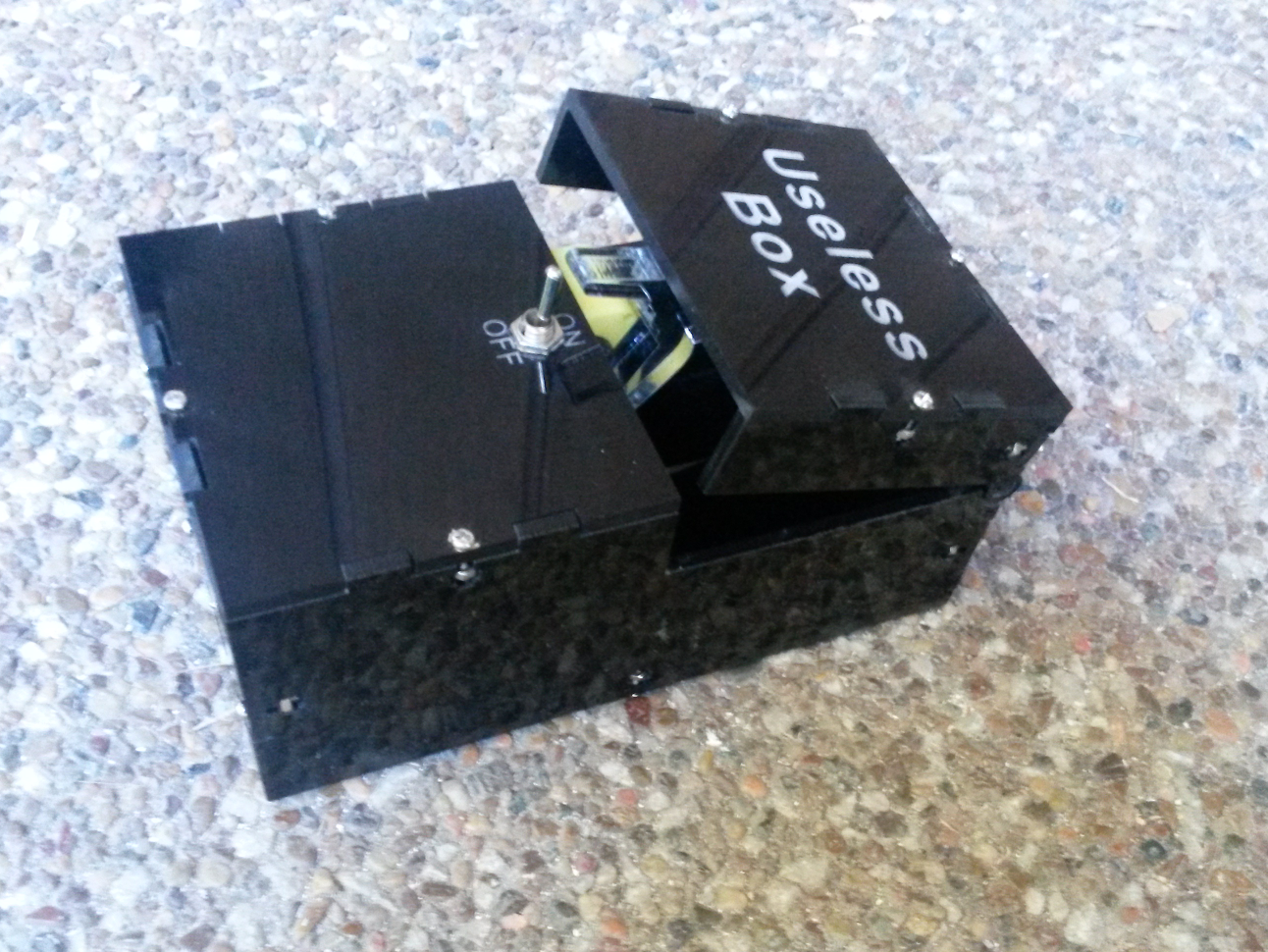
By Drpixie - Own work, CC BY-SA 4.0, Wikimedia Commons