The Demons in the Details
Precision vs. Speed, Precision at Speed, or Precision with Speed. There are lots of posts that cover the challenge of integrating AI speed with human precision in the pursuit of value. Lots of them.
I believe it's an important conversation. It must be had. Be that as it may, I think the long pole in unlocking productivity with intelligence tools is the reimagining of leadership roles. I suspect leadership teams are less prepared than they would like to think.
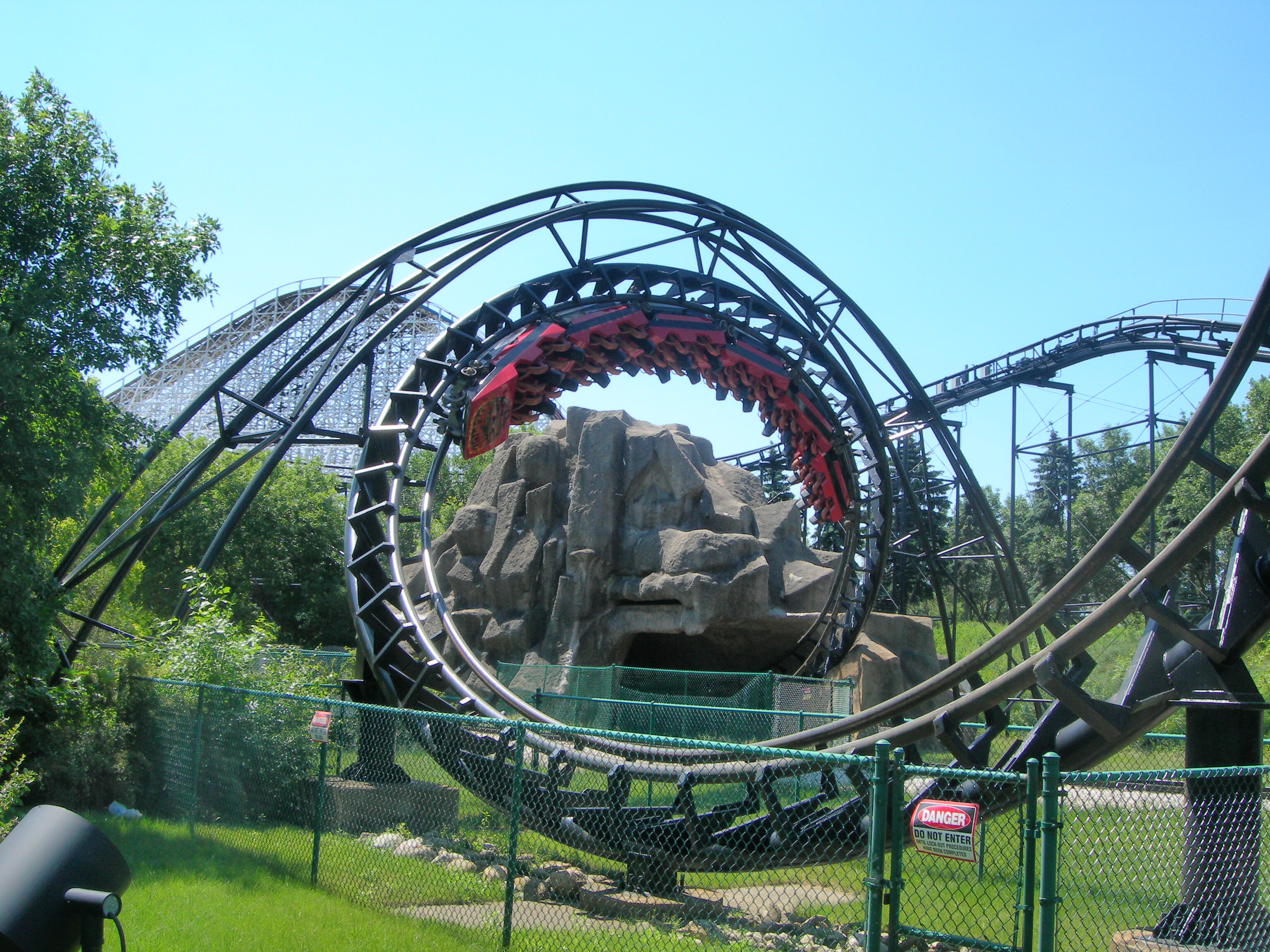
Image source and license: "The Demon" (File:Demon_Roller_Coaster.jpg), by Jonrev, shown in the Wikipedia article Demon (roller coaster) and hosted on Wikimedia Commons at File:Demon_Roller_Coaster.jpg. The file page states the image was released into the public domain by the author.

One of the team-building exercises I have used is competitive team Lego building. You start by creating teams with distinct roles. For example:
- Director: reads the instructions
- Picker: is told by the Director what piece comes next
- Builder: is given the piece by the Picker and told where to put it by the Director
You let the teams compete to see who can build their set the fastest. About halfway through the build, you ask the teams to stop and think about how they are organized. If they want, they can reorganize to make themselves faster. After the competition, you facilitate a dialogue about their experience. You want them to think about what brought efficiency and why it might have helped. Unsurprisingly, the self-organizing approach is always interpreted as more effective.
While I was smugly patting myself on the back for pushing teams to think about how they approach their work, I wasn't giving the slightest thought to what a more efficient team would mean for my role, or more importantly, the entire leadership tree. All of the processes and ceremonies were structured to support laddering up the work in a weekly email or monthly business reports. The gates existed to align one team's work with all of the supporting functions. Actually allowing teams to self-organize and move quickly would completely collapse the surrounding organization.
I have worked for a lot of different leaders. Many of them have been exceptionally skilled, but I'm not sure even the best of them are ready for the amount of retooling they will have to do if they want to unlock higher value creation with AI. Articles like this one, When Everyone Has AI and the Company Still Learns Nothing, point out the need for rethinking the way engineering flows within an organization, but I think that doesn't go far enough in describing how leadership fits into this flow.
If there are still monthly and weekly business reviews trying to regurgitate the work in an LT-digestible form, then that org isn't really thinking about how work can and should flow with intelligence tools in the room. If leadership is busy maintaining the status quo, they will be the gate that prevents acceleration. If there is going to be a fundamental shift, it's up to leaders to figure out the games they need to play to build their own elastic learning loops.