Day 3 of What's Next
Day 3 of what's next; figuring out what I'm good at.
Like many of my peers I didn't know what I wanted to do when I grew up, and I didn't understand what "my skill" was. Looking back I see a trend of being pretty good at a lot of different things. Often I fall into the role of being a bridge — I can learn enough about a topic to have a real connection with someone who's an expert, and then translate their knowledge to someone who's an expert in a completely different field.
The problem with that kind of skill is that it can be hard to turn into a career. It's not compelling on a resume or in an interview to say "I mostly get how to structure data to drive analytics", and it takes too long to walk through the advantage of being able to describe OLAP vs OLTP in language that someone from a non-technical background would actually care about.
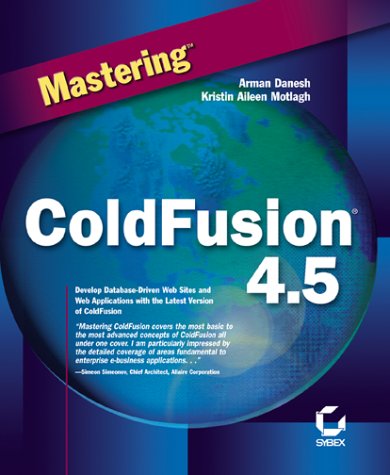
For me the key to getting past this non-specific-skill skill has been to focus on knowledge spikes. I first got into development by checking a ColdFusion 4.5 book out of a library and drilling myself on the content until I could build an experience without peeking at the book. Of course I never actually used CF professionally — instead it gave me something to pin down the rest of my abilities with.
I think of it like the process of using burlap as a soil retainer. My general ability to understand is spread thinly across my career, holding things together. When needed I went deep on areas like CF, Sams Java in 21 Days, various certifications, DORA, or books like The Manager's Path — giving me the spikes that hold my broader abilities firmly in place.
This isn't too far from the concept of being T-shaped, but it depends on having many spikes rather than a single area of deep expertise. In reality, what I am good at is finding ways to help create a space where those I am lucky enough to partner with can excel. I can shape what I bring to the table based on the needs of the team, adding depth where it's missing or ensuring the expertise of others is guided effectively.
The skill isn't the depth itself — it's knowing when and where to drive the spike.